March 30, 2026
Heating and cooling systems operate behind the scenes, but their performance has a direct impact on comfort, energy costs, and long-term property value. One of the most common questions property owners ask an HVAC company is simple: how often is maintenance actually necessary?
The answer depends on system type, usage, and environmental conditions, but there are clear industry benchmarks that provide a reliable starting point. Understanding these intervals helps set realistic expectations and supports better decision-making when planning service with an HVAC company.
Understanding Recommended Maintenance Intervals
The baseline recommendation across the industry is consistent: HVAC systems should receive professional attention on a recurring schedule. According to Forbes, you should schedule a professional HVAC maintenance check once every year.
That annual visit represents the minimum standard. Many HVAC company professionals recommend a more proactive approach, typically two maintenance visits per year, one before the cooling season and one before the heating season. This biannual cadence aligns maintenance with peak system demand. Cooling components are evaluated before summer strain, while heating components are prepared ahead of colder months. Structuring service this way reduces the likelihood of in-season breakdowns and helps maintain consistent system output.
For property owners working with an HVAC company, this schedule is often presented as the gold standard for performance and reliability.
Identifying Factors That Influence Frequency
Not every system operates under identical conditions. While general guidelines are useful, several variables can shift how often an HVAC company should be involved.
System age is one of the most important factors. Units that have been in service for over a decade typically require more frequent inspections. Components experience wear over time, and performance can decline without regular adjustments. Usage intensity also plays a role. Systems that run continuously accumulate stress faster than those with moderate, seasonal use. Increased runtime leads to more frequent wear on motors, coils, and electrical components.
Environmental conditions further affect maintenance needs. Properties exposed to dust, humidity, or airborne contaminants often require closer monitoring. These elements can accelerate buildup within the system, impacting airflow and efficiency. An experienced HVAC company evaluates these variables collectively, rather than applying a one-size-fits-all schedule.
Recognizing Why Timing Matters
Maintenance frequency is only part of the equation. Timing has a measurable impact on system performance and operational stability. Scheduling service before peak seasons allows technicians to identify developing issues under controlled conditions. During high-demand periods, small inefficiencies can escalate into system failures if left unaddressed.
Preparing systems ahead of seasonal transitions reduces operational strain and helps maintain steady performance during periods of heavy use. From a planning perspective, working with an HVAC company ahead of peak demand also improves scheduling flexibility. Waiting until extreme weather arrives often limits availability and increases response times.
Evaluating the Benefits of Consistent Maintenance
Routine maintenance is not simply preventative. It directly influences system performance across multiple dimensions. Energy efficiency is one of the most immediate benefits. Systems that operate with clean components and calibrated settings require less energy to achieve the same output. Even minor inefficiencies can compound over time, increasing operating costs.
System lifespan is also affected. Heating and cooling equipment represents a significant investment, and consistent maintenance helps extend usable life. Addressing wear early reduces the likelihood of major component failure. Indoor air quality improves when systems are maintained on schedule. Clean coils, proper airflow, and well-functioning filtration all contribute to healthier indoor environments.
Operational reliability remains a primary concern. Many system failures develop gradually, often without visible warning signs. Regular service allows an HVAC company to detect and correct these issues before they escalate into larger disruptions.
Comparing Annual vs. Biannual Service Schedules
There is often debate between annual and biannual maintenance schedules. Both approaches have merit, but they serve different priorities. An annual service schedule meets the minimum requirement and provides a baseline level of system oversight. It is often sufficient for newer systems or properties with moderate usage patterns.
A biannual schedule, on the other hand, offers a more comprehensive approach. By dividing maintenance into heating and cooling cycles, each system component receives targeted attention at the most relevant time. Two visits per year create more opportunities to identify early-stage issues and maintain system balance.
When working with an HVAC company, the choice between these schedules typically comes down to risk tolerance, system age, and usage demands.
Addressing Situations That Require More Frequent Service
In some cases, even a twice-yearly schedule may not be sufficient. Certain conditions justify additional inspections. Older systems nearing the end of their lifecycle often benefit from quarterly evaluations. Increased monitoring helps manage declining performance and delays the need for full replacement.
Properties with high occupancy or continuous operation may also require more frequent service. Commercial environments or homes with heavy HVAC usage place consistent strain on system components. Recent construction or renovation projects can introduce debris into ductwork and system pathways. This often necessitates additional maintenance to restore normal airflow conditions.
An HVAC company can identify these scenarios and recommend a more tailored service plan based on observed system behavior.
Understanding What Professional Maintenance Includes
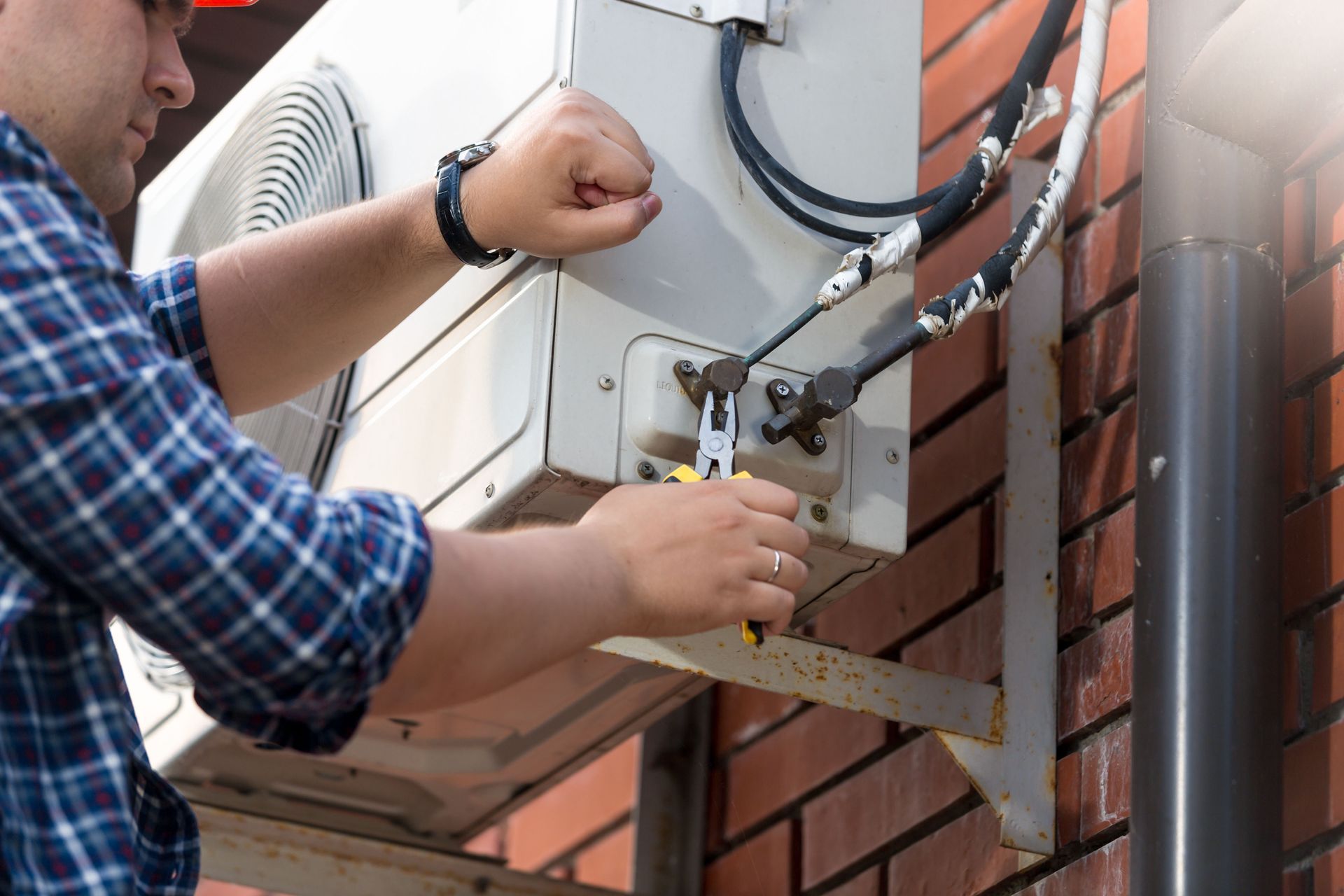
Maintenance is more than a surface-level inspection. A comprehensive visit from an HVAC company typically involves multiple system checks and adjustments. Technicians inspect electrical connections and system controls, clean coils, burners, and internal components, evaluate refrigerant levels and airflow, calibrate thermostat settings, and identify worn or failing parts. These steps collectively restore system balance and address inefficiencies that may not be visible during normal operation.
Professional service is essential because HVAC systems involve complex mechanical and electrical interactions. Attempting to address these elements without proper training can lead to incomplete results or additional complications.
Preventing Long-Term Performance Decline
HVAC systems rarely fail without warning. In most cases, performance issues develop gradually due to accumulated wear, dirt buildup, or minor component degradation. Skipping scheduled maintenance allows these issues to progress unchecked. Over time, this leads to reduced efficiency, inconsistent temperatures, and increased strain on critical components.
Proactive maintenance is one of the most effective ways to avoid costly repairs. Small adjustments made during routine service can prevent larger mechanical failures down the line. Working with a qualified HVAC company on a consistent schedule creates a structured approach to system care, rather than reacting to problems after they occur.
Planning a Maintenance Schedule That Fits
Selecting the right maintenance schedule involves balancing system needs with practical considerations. For most properties, one professional visit per year represents the minimum. Two visits per year, timed for spring and fall, are recommended for more comprehensive coverage. Additional visits may be appropriate for older or high-use systems. This structure allows property owners to align service frequency with actual system demands while maintaining a predictable maintenance routine. An HVAC company can refine this schedule further by evaluating system performance, usage patterns, and environmental conditions.
HVAC maintenance is not a one-time task. It is an ongoing process that directly impacts system efficiency, reliability, and longevity. While annual service meets basic requirements, a biannual approach provides stronger performance and fewer unexpected issues over time.
Ultimately, the most effective strategy is one that reflects how the system is used and how it performs under real conditions. Consistent service from a qualified HVAC company creates a stable foundation for long-term operation. For reliable scheduling and consistent system performance, connect with Nieboer Heating & Cooling to establish a maintenance plan that aligns with your property's needs!